

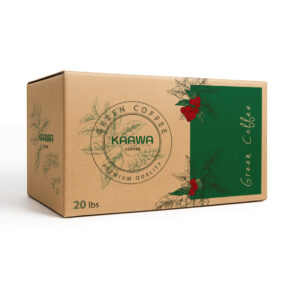
Availability:
0
Grown on the high-altitude volcanic slopes of the Mara region, the Tanzania-Tarime AB is a premium washed coffee sourced from smallholder farmers near the Kenyan border. While slightly smaller in screen size than the AA grade, this AB lot is highly prized by roasters for its exceptional balance and consistent roasting performance. These family-run farms utilize traditional shade-growing and meticulous sorting to produce uniform beans that capture the region’s rugged terroir. Through careful fermentation and sun-drying on raised beds, this coffee delivers a refined cup characterized by bright citric acidity, a smooth body, and deep notes of stone fruit and chocolate.
| Origin | Tanzania |
|---|---|
| Region | Tarime District, Mara |
| Altitude | 1,500m – 1,850m |
| Producer Type | Various Smallholder Farmers |
| Processing Method | Washed |
| Processing Details | Disc-pulped, fermented in water, and graded in washing channels |
|---|---|
| Harvest Period | 2025/26 |
| Varietals | Bourbon, Kent, N39, Nyasaland |
| Plant Species | Arabica |
| Post-Harvest Handling | Hand-picked, floatation-sorted, and sun-dried on raised African beds |
| Bag Type | Grain Pro / Ecotact |
| Certifications | FLO Fairtrade Certified |
| Cup Score | 84.75 |
|---|---|
| Fragrance | 8.00 |
| Flavor | 8.25 |
| Acidity | 8.00 |
| Aftertaste | 7.75 |
| Balance | 7.75 |
| Body | 8.00 |
| Overall | 8.00 |
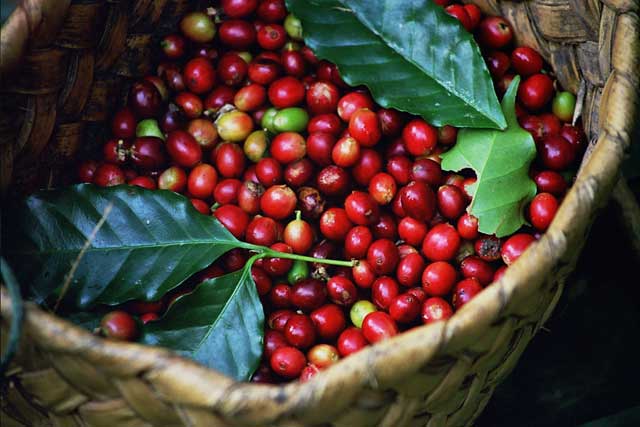
Tanzanian coffee culture began in the 16th century with the Haya people, who used native Robusta for ritual and trade. During the late 1800s, German colonial influence introduced Arabica to the Mount Kilimanjaro region, leading to the 1925 formation of the Kilimanjaro Native Planters’ Association (KNPA) to support smallholder exports. While post-independence nationalization caused early production slumps after 1961, privatization in the 1990s sparked a major industry rebound. Today, Tanzania is a premier origin, celebrated for producing high-quality Arabica and Robusta that flourish across its diverse growing regions
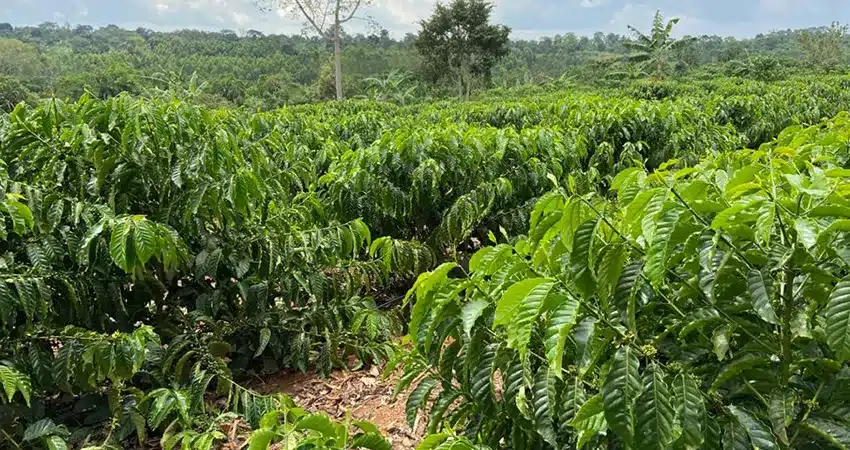
Tanzania’s premier Arabica coffee thrives on the high-altitude volcanic slopes of Mount Kilimanjaro, Mount Meru, and the Mbeya Highlands, where elevations reach up to 2,500 meters. These regions provide the cool climate and nutrient-rich soil necessary for producing the bright acidity and fruity, floral notes the specialty market prizes. While both natural and washed coffees are produced, the washed method is preferred for its ability to highlight the clarity and medium body of varieties like SL28, SL34, Bourbon, and Kent. These beans are meticulously graded by size into AA, A, B, and the unique Peaberry (PB), ensuring a consistent and high-quality profile for global exporters.
Consistency matters most when roasting samples, even though first crack timing often varies. This guide helps you decide exactly when to stop the roast depending on how long it took to reach that first crack.
© 2025 Kaawa Coffee.
© 2025 Kaawa Coffee.