

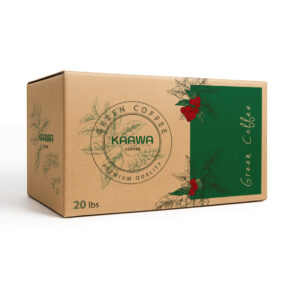
Availability:
0
| Origin | Uganda |
|---|---|
| Region | Sironko, Mount Elgon |
| Altitude | 1,250m – 1,850m |
| Producer Type | Various Smallholder Farmers |
| Processing Method | Washed |
| Processing Details | Mechanically depulped, demucilaged, and dried using controlled mechanical driers |
|---|---|
| Harvest Period | 2025/26 |
| Varietals | SL14, SL28, SL34, Nyasaland, KP142, KP630 |
| Plant Species | Arabica |
| Post-Harvest Handling | Hand-picked, carefully sorted, wet-processed, and sun-dried on raised beds |
| Bag Type | Grain Pro / Ecotact |
| Certifications | FLO Fairtrade Certified, Organic Certified |
| Cup Score | 83.75 |
|---|---|
| Fragrance | 7.70 |
| Flavor | 8.00 |
| Acidity | 7.75 |
| Aftertaste | 7.70 |
| Balance | 7.75 |
| Body | 7.75 |
| Overall | 7.75 |
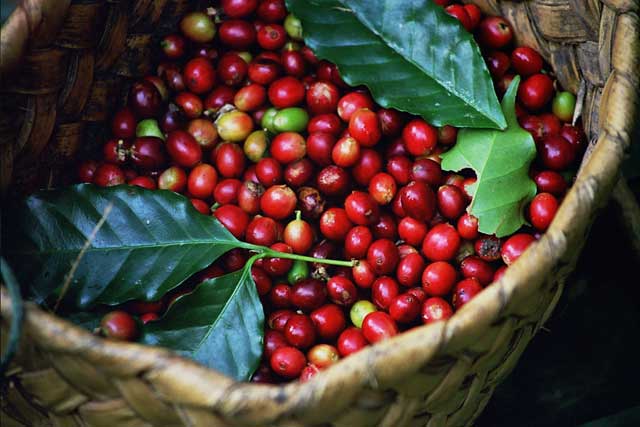
Uganda’s coffee journey evolved from ancient cultural rituals involving indigenous Robusta to a modern global success story. A pivotal turning point occurred in the 1990s when the industry transitioned from a state-led, centralized system to a vibrant, farmer-led economy, empowering millions of smallholders. This shift eventually propelled Uganda to become one of Africa’s leading coffee exporters. Today, the nation is celebrated for its world-class specialty Arabica and resilient Robusta, blending deep historical roots with a commitment to quality and sustainable growth on the international stage.
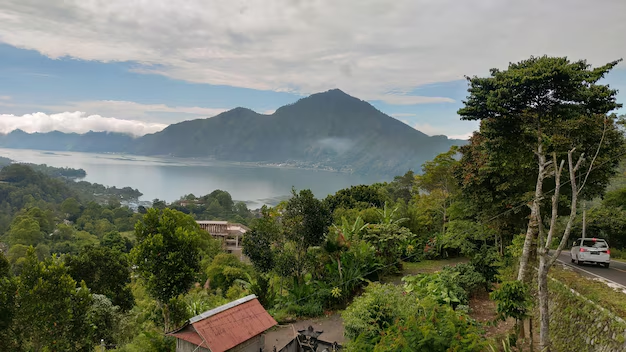
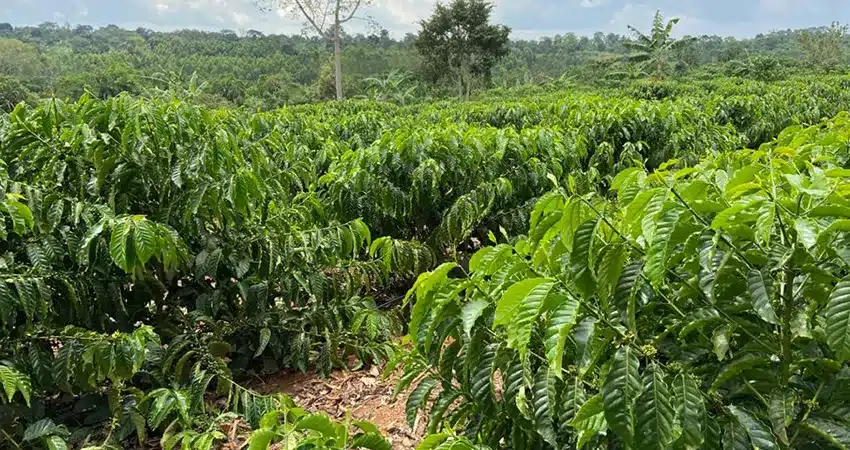
From the eastern slopes of Mount Elgon to the western peaks of the Rwenzori Mountains, Uganda’s highlands serve as a sanctuary for world-class Arabica coffee. These elevated landscapes reach up to 2,300 meters and boast nutrient-dense volcanic soils that infuse every bean with distinct character.
Local farmers are blending tradition with innovation by moving beyond standard washed and natural coffees to embrace artisanal honey processing. This evolution produces specialty-grade treasures like Peaberry and AA lots, grown from SL and Blue Mountain strains, which are increasingly coveted by coffee connoisseurs worldwide.
Consistency matters most when roasting samples, even though first crack timing often varies. This guide helps you decide exactly when to stop the roast depending on how long it took to reach that first crack
© 2025 Kaawa Coffee.
© 2025 Kaawa Coffee.